

Building an AI-Ready Culture: Why People Still Power Transformation
Technology may drive progress — but people sustain it.
The Missing Piece in AI Transformation
Across industries, AI adoption is accelerating.
Executives are investing in automation, analytics, and intelligent agents to streamline operations and unlock new growth. But while tools evolve rapidly, one constant determines success or failure: culture.
AI transformation isn’t just a technology project — it’s a mindset shift.
Without people who understand, trust, and embrace AI, even the most advanced systems underperform. That’s why the companies that win with AI don’t just install software — they build AI-ready cultures where teams, data, and strategy move in sync.
Why Culture Matters More Than Code
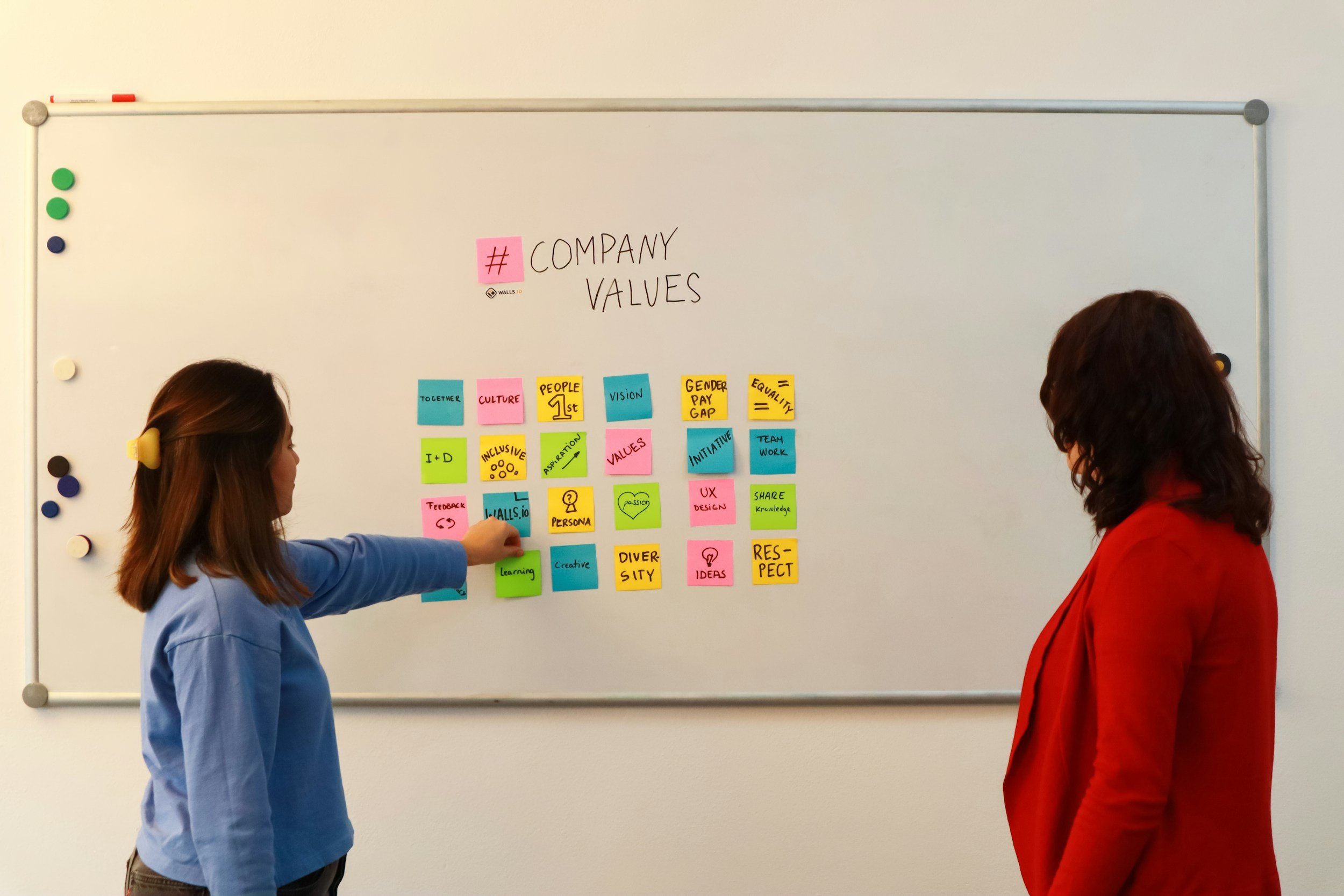
Technology can be implemented overnight; transformation cannot.
AI adoption challenges traditional workflows, changes decision-making dynamics, and often raises fear about job security.
Leaders who ignore the human side risk resistance, slow adoption, and wasted investment.
Building an AI-ready culture means preparing your organization to see AI not as a threat, but as an ally — one that amplifies people potential rather than replaces it.
In other words: AI doesn’t transform companies. People do — empowered by AI.
Four Pillars of an AI-Ready Culture
1. Education Before Implementation
AI literacy is the foundation of trust. Teams must understand what AI can (and cannot) do, how it supports their work, and why it matters.
Regular workshops, demos, and transparent discussions about impact help turn skepticism into enthusiasm.
When people understand the “why,” adoption follows naturally.
2. Collaboration Between People and Machines
AI thrives when people stay in the loop — providing judgment, context, and empathy.
Whether it’s a marketing assistant generating insights or a chatbot resolving support tickets, the most successful AI systems complement our strengths instead of replacing them.
Empowering employees to work with AI creates confidence and ownership.
3. Leadership by Example
AI transformation must be modeled from the top.
When executives use data-driven dashboards, automate their own workflows, and celebrate quick wins, they signal that AI is part of how the business operates — not just an experiment in one department.
Leaders set the tone for curiosity, learning, and agility.
4. Recognize and Reward Change
Cultural change requires momentum.
Acknowledging teams who embrace AI-driven tools — and showcasing their results — reinforces the message that innovation and efficiency are valued.
Small wins build big shifts in mindset.
Case Example: Empowering People to Embrace AI
A Canadian retail brand began its AI journey by automating customer feedback analysis.
At first, employees feared job loss — but when the company introduced AI literacy sessions and showed how automation freed them to focus on creative campaign strategy, adoption soared.
Within six months:
Marketing efficiency increased by 30%
Customer response time dropped by 40%
Employee satisfaction improved by 18 points
By putting people before process, the brand proved that AI doesn’t replace creativity — it amplifies it.
The CEO’s Role in Building AI Confidence
For CEOs, building an AI-ready culture is a leadership priority — not an IT initiative.
Your teams look to you for clarity, not code. When you communicate how AI supports your strategic vision and why it matters for their success, fear gives way to engagement.
The best AI transformations are people transformations first — they empower teams with knowledge, simplify complexity, and align innovation with purpose.
Empower Your Team to Lead With AI, Not Fear
IntelliCraft helps businesses build AI strategies rooted in people, culture, and measurable outcomes.
