

5 Ways SMEs Can Start Using AI Without Huge Investment
You don’t need enterprise budgets to make AI work for your business. Start small, move fast, and scale smarter.
The New Reality: AI Is No Longer Out of Reach
For years, artificial intelligence was seen as a tool for large enterprises with deep pockets, advanced IT teams, and complex data systems. But that era is gone.
Today, AI is accessible, affordable, and—when applied strategically—transformational for small and mid-sized businesses (SMEs).
From automating repetitive work to enhancing marketing precision and improving customer experience, AI now offers SMEs the same competitive edge that enterprise players have enjoyed for years—without the overhead.
The question is no longer if smaller businesses should use AI; it’s where to start.
Here are five practical, budget-friendly ways to begin using AI to save time, cut costs, and boost performance.
1. Automate Repetitive Workflows to Unlock Capacity
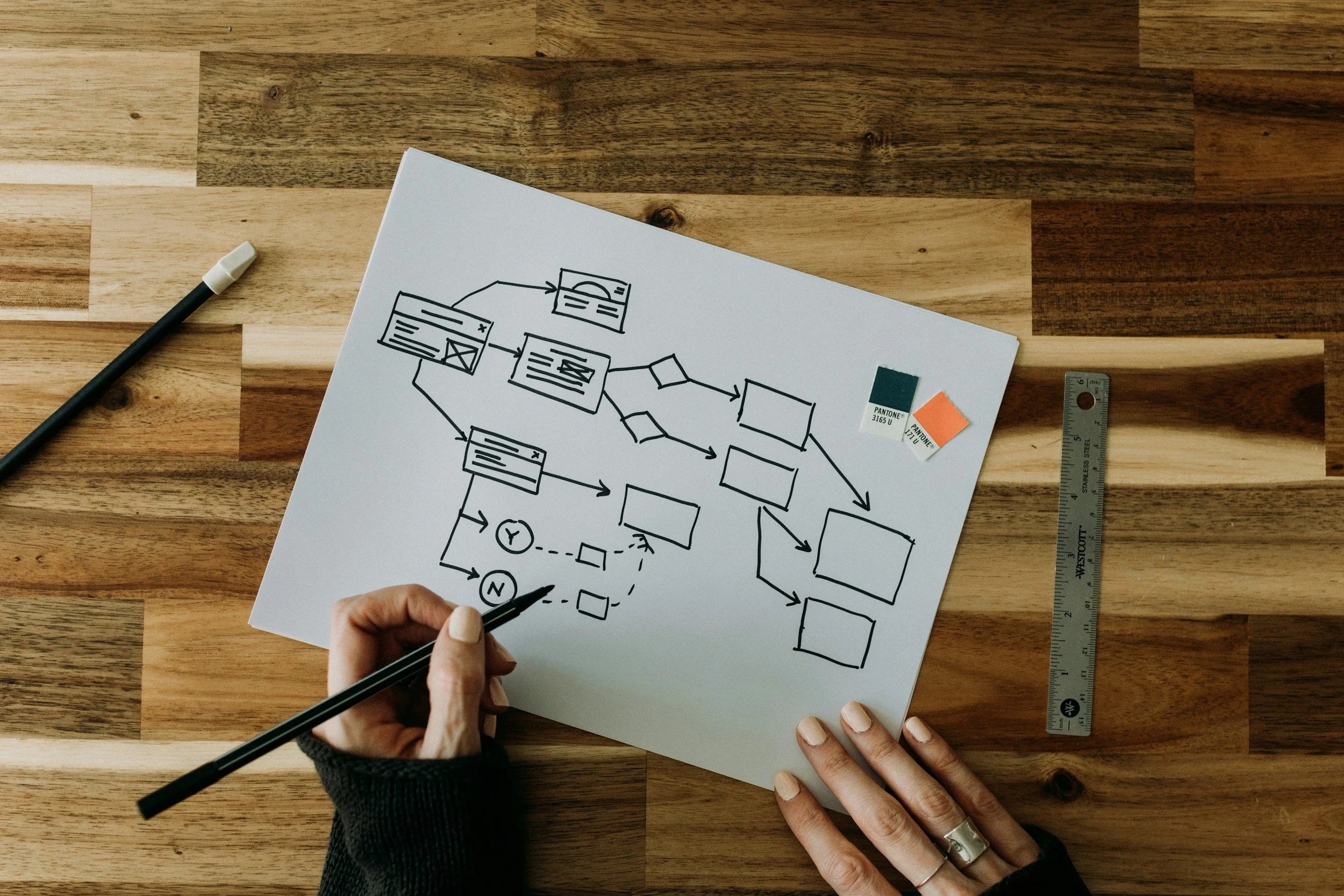
Every business has tasks that drain time and add little value: data entry, scheduling, status reports, customer follow-ups.
AI automation tools—like Zapier, Make, or specialized workflow bots—can handle these processes in the background, seamlessly connecting your systems and triggering actions automatically.
Example:
A marketing agency automates the process of capturing form submissions from its website, adding the data to its CRM, sending a personalized response, and alerting a sales rep—all without a human touch.
That’s hours saved every week and zero leads slipping through the cracks.
The Business Impact:
30–50% time savings on repetitive tasks
Fewer human errors
Faster delivery and greater consistency
The goal isn’t to replace staff—it’s to free people to focus on higher-value work: creativity, strategy, and customer relationships.
2. Use AI to Make Marketing Smarter—and More Personal
AI has revolutionized marketing by taking the guesswork out of who to target, what to say, and when to engage.
Tools like HubSpot, Jasper, or ChatGPT-powered content engines can analyze your audience, generate personalized campaigns, and even optimize ad spend automatically.
Example:
A small e-commerce brand uses an AI content generator to write product descriptions and social posts tailored to customer intent. Combined with AI-driven ad optimization, it boosts engagement and cuts acquisition costs by 20%.
The Business Impact:
Data-driven audience targeting
Personalized experiences at scale
Improved ROI on every marketing dollar
With AI, your marketing can be both efficient and emotionally intelligent—building stronger customer connections with less manual effort.
3. Deploy AI-Powered Sales Assistants for Lead Generation
Sales productivity is often limited by bandwidth—prospecting, qualifying, and nurturing leads manually.
AI-powered sales agents (like Drift, Apollo, or custom GPT-based bots) can qualify leads 24/7, engage prospects with personalized outreach, and even book meetings directly on your calendar.
Example:
An IT services firm introduces an AI sales assistant that scans inbound leads, enriches them with data, and starts personalized conversations. The result? A 40% increase in qualified leads and a 25% faster sales cycle.
The Business Impact:
More leads qualified automatically
Shorter sales cycles and faster follow-ups
Sales teams focused on closing, not chasing
When AI handles the heavy lifting, your sales team can focus on what matters—building relationships and closing deals.
4. Enhance Customer Experience with Intelligent Support
Customer expectations have changed. People want instant, personalized support—day or night.
AI chatbots, voice assistants, and feedback analysis tools make this possible even for small teams.
Example:
A local retailer deploys a chatbot to answer FAQs, track orders, and collect feedback.
Overnight, customer response times drop from 12 hours to 2 minutes, and satisfaction scores rise by 18%.
The Business Impact:
24/7 customer engagement without added staff
Faster response times
Actionable insights from customer feedback
AI support doesn’t replace empathy—it scales it. By handling common questions, AI gives your team time to focus on complex or high-value interactions.
5. Turn Data Into Decisions

Data is every company’s most underused asset.
AI analytics tools help SMEs understand trends, forecast outcomes, and make faster decisions—without hiring data scientists.
Example:
A wholesale business uses AI dashboards to analyze sales data and predict demand.
Instead of reacting to shortages, they anticipate them—reducing overstock and cutting holding costs by 12%.
The Business Impact:
Real-time visibility into performance
Smarter decisions based on evidence, not instinct
Improved forecasting and profitability
The right insights at the right time can transform how you lead, plan, and grow.
Start Small, Win Fast, Scale Confidently
The key to AI adoption for SMEs isn’t massive investment—it’s strategic experimentation.
Start with one area (like marketing automation or customer support), measure its impact, and expand from there.
Each small success builds momentum, confidence, and a clearer picture of where AI can deliver the highest ROI.

Transformation doesn’t require disruption —
it requires direction.
Ready to See What AI Can Do for Your Business?
Let’s identify the best opportunities for automation, insight, and growth.
